Skip to content

ABOUT PODGORICA

A city on five rivers, host of the race — and a few reasons to stay a day longer.

A city on five rivers

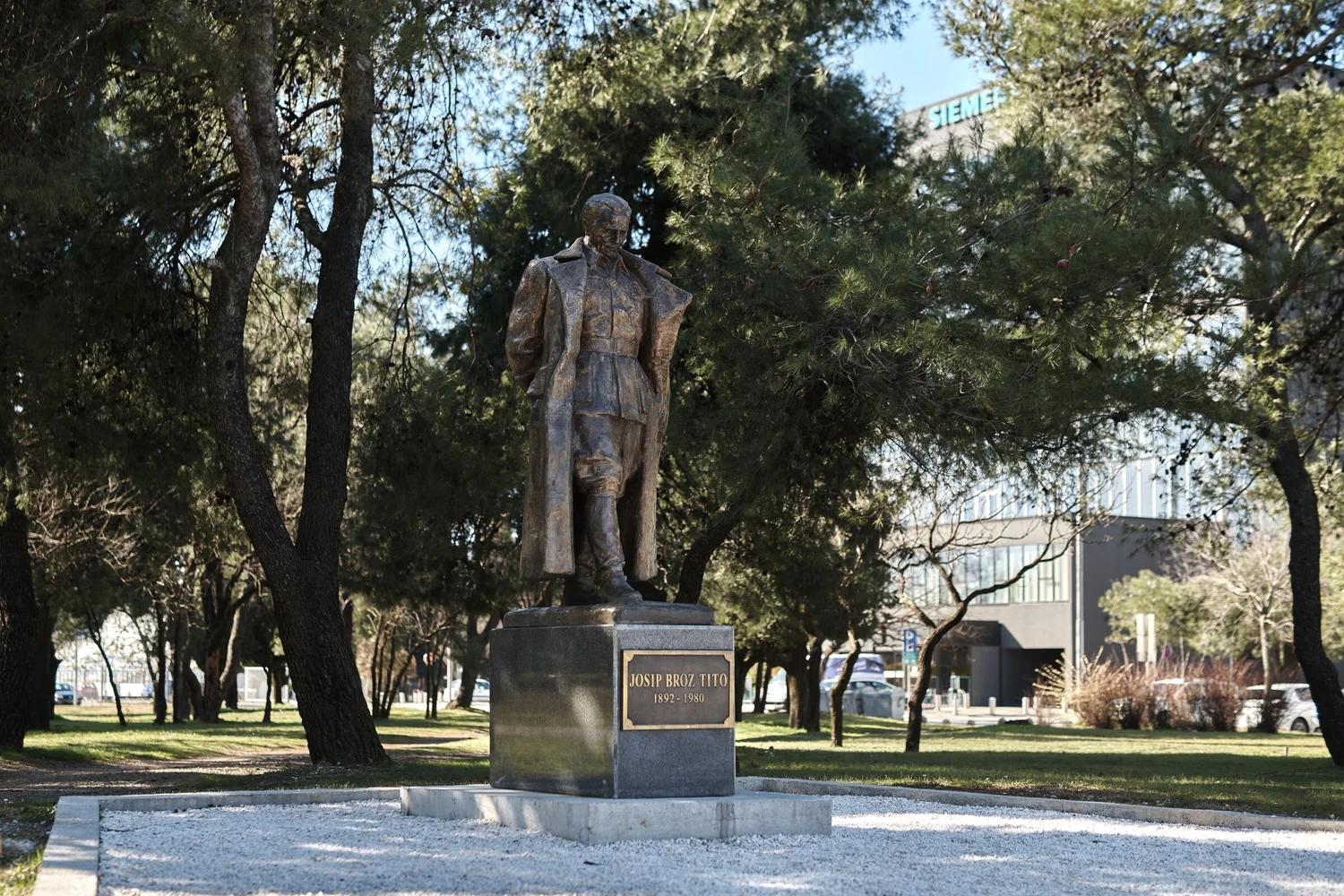
Podgorica is first mentioned in 1326. It takes its name from the small hill of Gorica, at whose foot it was founded and grew. Earlier it was called Ribnica, after the river of the same name, because the town was built where the Ribnica meets the Morača. An untypical and, at first glance, not especially conspicuous capital of Montenegro, it took that status from the old royal capital Cetinje in 1946. In the 20th century it was better known as Titograd.

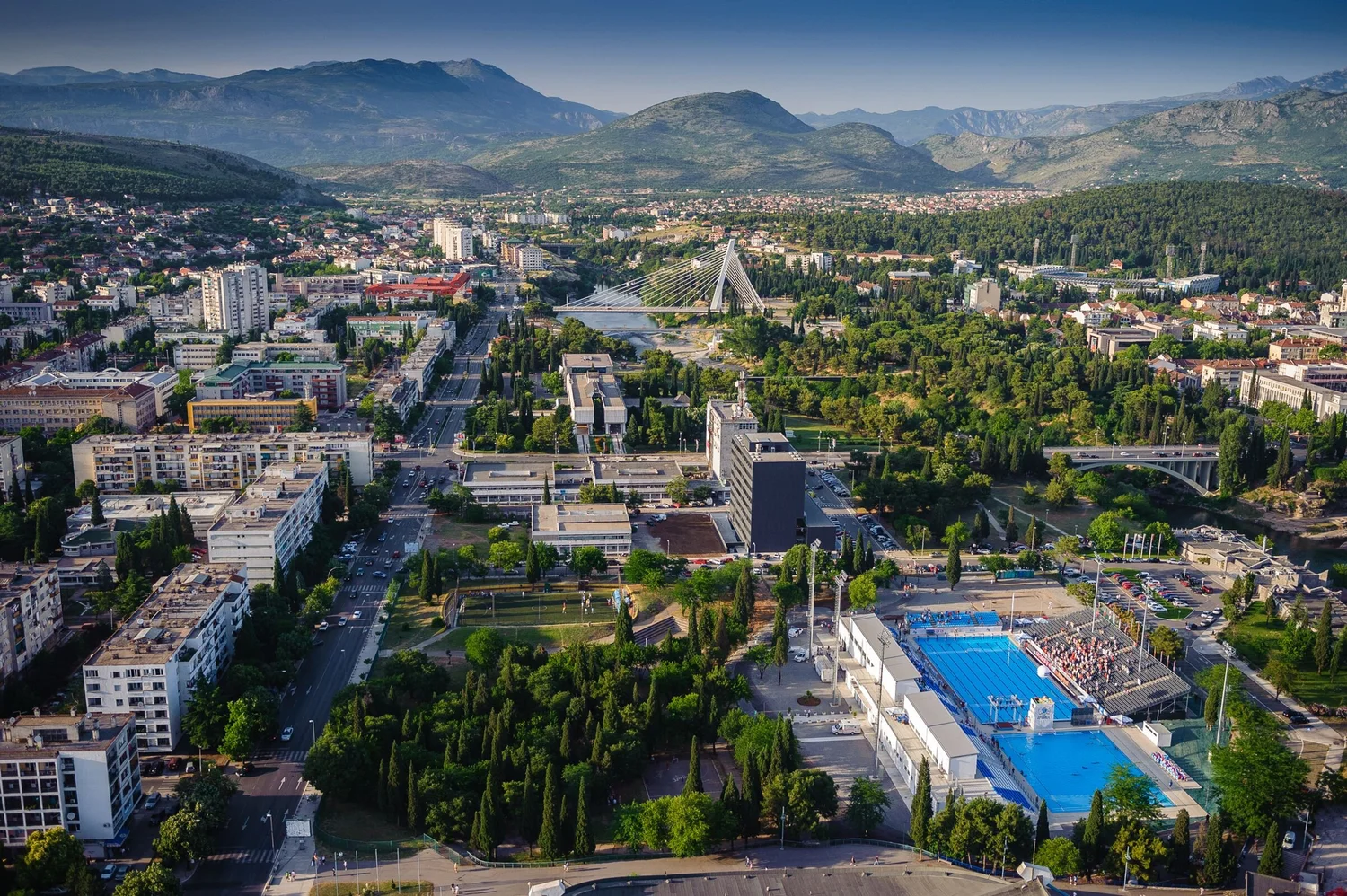
Ideally placed in the Zeta valley and on the banks of the Morača, it gives quick and easy access to the Adriatic coast as well as to the highest mountain peaks and the national parks — Lake Skadar and Prokletije. Podgorica is known for its hospitality, its great range of restaurants, its wide boulevards and its long sunny days. Rapid development in recent years has drawn a great many people, so Podgorica has a strikingly young population and reflects better than anywhere the variety of Montenegrins, who have settled here from every part of the country.

On 13 July 2005, Montenegro's Statehood Day, Podgorica gained one more attraction — the Millennium Bridge. It is not hard to guess that the bridge takes its name from the year it was built. Its shape is unusual and one of a kind. It is at its most striking at night, thanks to the lighting. This piece of architecture, for all its short life, has already won great affection from local people and visitors alike. For several years now the Millennium Bridge has been considered the calling card not only of Podgorica but of the whole of Montenegro.

Podgorica

Some suggestions for how to spend your time while you are in our capital

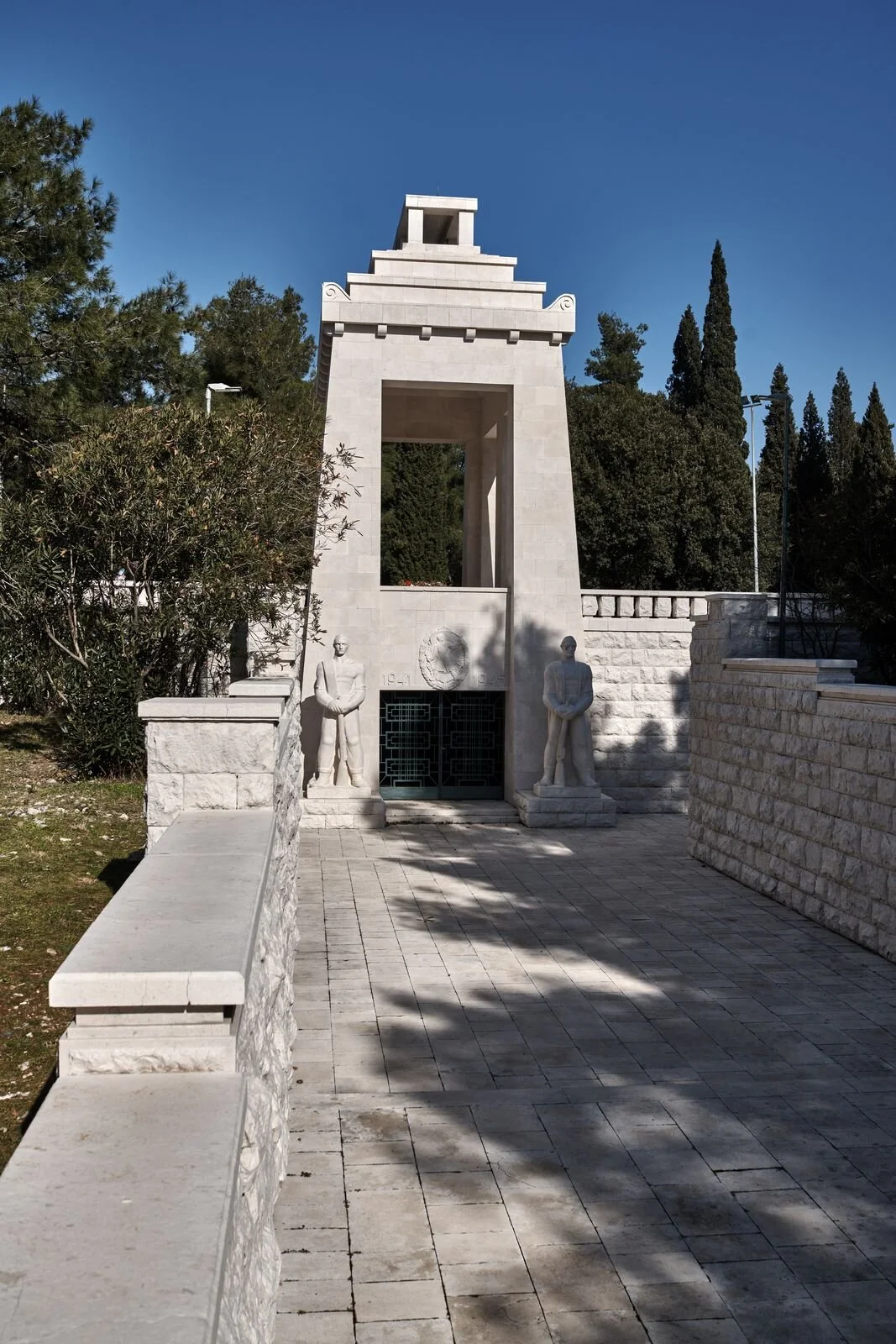
The monument on Gorica

The monument on Gorica

The name Podgorica is made up of the words “pod” (under) and “Gorica”, which is the name of the hill itself, so you could say this is a very important place and not one to miss. Gorica is an absolute favourite with locals — a Mediterranean garden at the entrance, an adventure park in the middle, and a beautiful viewpoint at the top of the hill, reached by a walking trail.

Look for a night out on Bokeška Street. Bokeška, in the centre of town, is known as the street where the nightlife is liveliest at the weekend. From easy jazz to hard techno and Balkan folk, there are bars here to suit every taste in music.

The best traditional dinner and home cooking can be found not only in Podgorica's many restaurants but in the surrounding villages and on the farms.
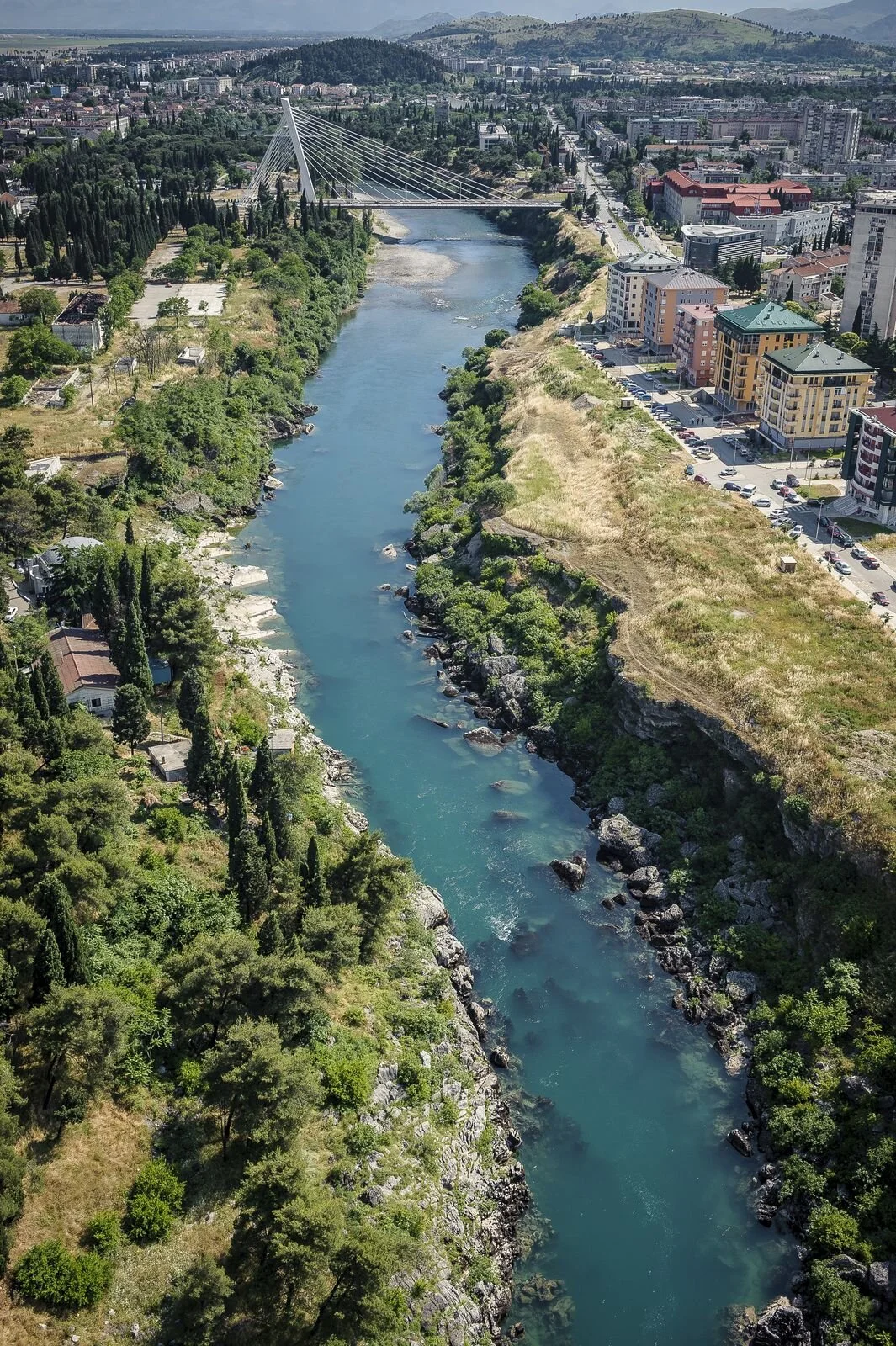
The river Morača

The river Morača

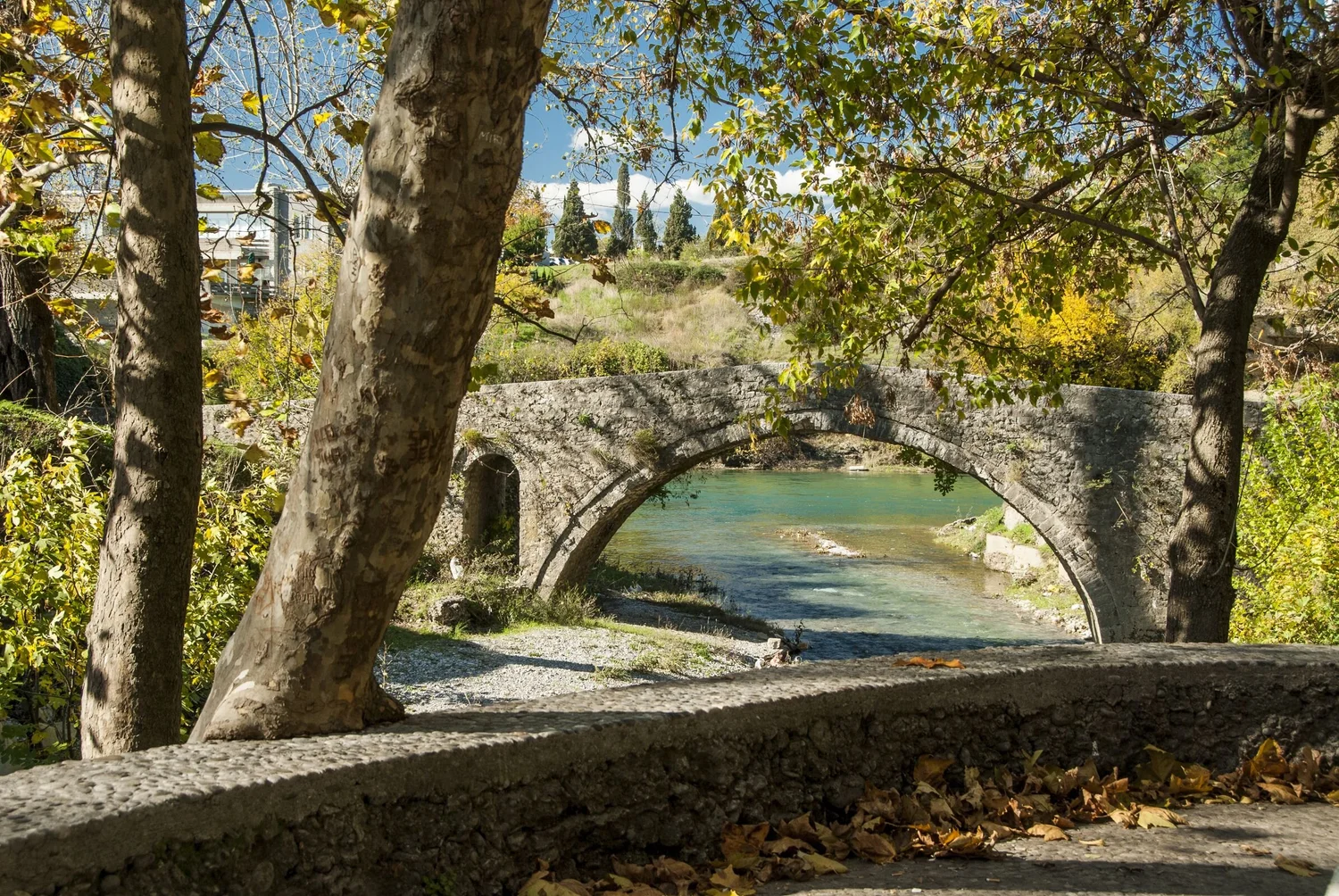
The Morača is the longest river running through Podgorica and is crossed by nine architecturally different bridges. The Millennium Bridge is considered one of the city's landmarks. For a relaxed afternoon, pack a bag and head for one of the beaches along the Morača to enjoy lunch with a beautiful view.

Walk through the fortress of Žabljak Crnojevića. The fortress stands on a beautiful, historically significant island in the delta of the Morača. It is regarded as the cultural, economic and trading centre of medieval Montenegro. At Žabljak Crnojevića you can see a range of influences on the buildings, from Venetian to Oriental.

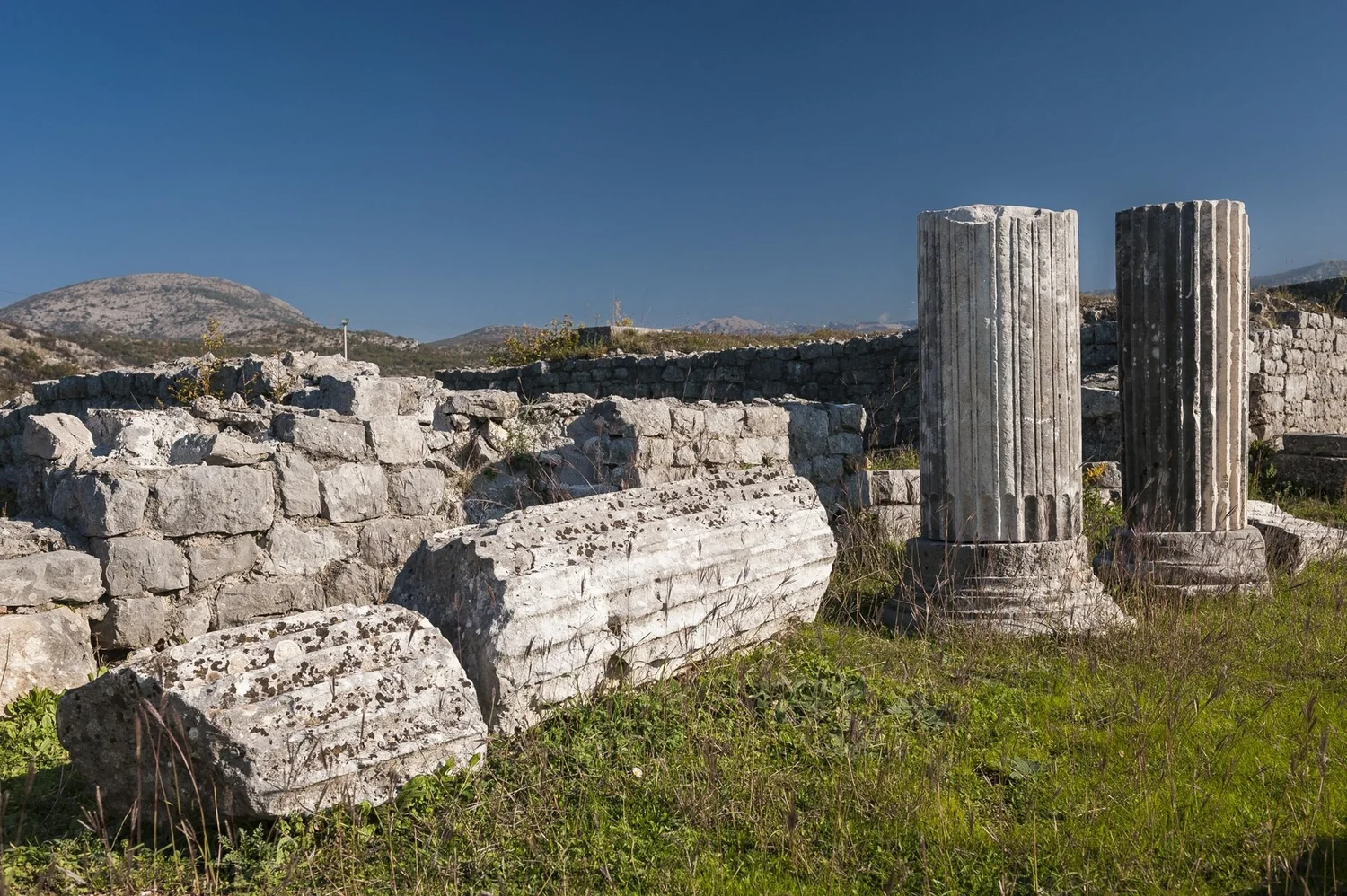
Duklja

Duklja

Visit the Illyrian and Roman ruins. Medun was a 4th-century Illyrian settlement and the home of one of Montenegro's greatest heroes — Marko Miljanov, a soldier and poet known for his moral standards and his honesty. Duklja was a Roman settlement, and legend has it that it took its name from the Roman emperor Diocletian, who was born there. It was one of the most significant Roman settlements in the Balkans, with over 40,000 inhabitants.

Sastavci

Sastavci

Some of the best wines in Montenegro are made in the area around Lake Skadar, which is both the largest lake in the Balkans and the largest national park in Montenegro.

Podgorica has its own “Niagara Falls”, in the canyon of the river Cijevna. In the 19th and 20th centuries this canyon marked the natural border with the Ottoman Empire; today it is a popular spot for locals to spend a day outdoors.

Photographs: Podgorica Tourism Board (photo: Duško Miljanić).

See you on the Millennium Bridge on 8 November 2026.

ENTER NOW